Exploring Cutting-edge Solutions for Optimum Home Air Flow Systems
Home air flow plays an important duty in preserving wellness and comfort within living rooms. With advancements in innovation, cutting-edge services are arising to enhance these systems. Smart ventilation, energy healing ventilators, and progressed purification are improving how air top quality is managed - Home Ventilation Melbourne. The integration of these technologies raises questions regarding their effectiveness and adaptability in varied home environments. What implications do these developments hold for future living standards?
The Significance of Home Ventilation for Health and Comfort
Often forgotten, home air flow plays a necessary function in preserving both wellness and comfort within domestic spaces. Adequate air flow is essential for the blood circulation of fresh air, which assists to water down indoor toxins such as unstable organic compounds, irritants, and odors. Without correct air movement, these pollutants can build up, leading to respiratory system problems and other health issue. In addition, reliable air flow adds to regulating moisture levels, avoiding mold and mildew development and structural damages. By making certain a balanced exchange of air, locals can delight in an extra pleasurable indoor atmosphere, enhancing general well-being. Moreover, appropriate ventilation can enhance energy effectiveness by reducing the demand for extreme home heating or cooling, inevitably resulting in reduced energy costs and a much more lasting space.
Smart Air Flow Equipments: Harnessing Modern Technology for Efficiency
Smart ventilation systems stand for a considerable improvement in home air monitoring, leveraging IoT assimilation for boosted control. These systems not only promote energy efficiency yet additionally offer remote monitoring capabilities, allowing users to optimize their indoor atmospheres perfectly. By using innovation, home owners can attain enhanced air top quality while minimizing power usage.
IoT Combination Benefits
How can IoT integration change typical air flow systems right into extremely efficient smart remedies? By including Internet of Points (IoT) modern technology, air flow systems can accomplish real-time monitoring and control, enhancing their functional efficiency. Sensors positioned throughout a home accumulate data on air high quality, moisture, and temperature, permitting automated modifications based on existing conditions. This instant responsiveness results in improved interior air quality and convenience levels. In enhancement, IoT-enabled systems can interact with other smart home tools, producing a cohesive ecological community that enhances power use. Customers can additionally gain access to and manage their air flow systems from another location by means of smartphones, supplying convenience and boosted control. On the whole, IoT combination stands for a considerable development, bringing knowledge and adaptability to standard air flow techniques.
Energy Performance Features
As energy performance becomes an essential focus in modern-day home style, advanced ventilation systems use cutting-edge features that considerably reduce energy intake. These wise air flow systems make use of sensors to keep track of interior air temperature, high quality, and moisture levels, immediately changing air flow to keep ideal conditions. By utilizing power healing ventilators (ERVs), they reuse and capture energy from outgoing air, reducing heating and cooling demands. Variable speed followers even more improve effectiveness by readjusting their procedure based upon real-time demands, preventing unnecessary energy waste - Home Ventilation Melbourne. Additionally, programmable timers and tenancy sensing units assure that air flow runs just when essential, adding to reduced utility expenses. Collectively, these features represent a considerable improvement in producing sustainable and energy-efficient living environments
Remote Monitoring Capacities
What benefits do remote tracking abilities give modern home ventilation systems? These capacities permit homeowners to track interior air high quality and system efficiency in genuine time, enhancing overall performance. By giving information on air, humidity, and temperature level pollutants, smart ventilation systems enable aggressive modifications, guaranteeing perfect problems. In addition, remote monitoring promotes upkeep alerts, recognizing prospective concerns before they escalate, therefore minimizing repair prices and downtime. Users can access system analytics via mobile applications, enabling for hassle-free control even when far from home. This technological integration not only advertises energy performance but likewise adds to a healthier living atmosphere. Inevitably, remote monitoring capacities represent a substantial development in home air flow, straightening with the expanding need for smart home innovations.
Power Recovery Ventilators: Making The Most Of Power Savings
Energy healing ventilators (ERVs) play an essential function in improving home power efficiency with reliable warmth exchange. By transferring thermal energy in between outward bound and incoming air, these systems noticeably reduce overall energy usage. This cutting-edge strategy not just preserves indoor air quality however likewise adds to decrease energy prices.
Efficiency of Heat Exchange
While maintaining indoor air high quality is necessary for wellness and convenience, the performance of warmth exchange in power recovery ventilators (ERVs) plays an important role in taking full advantage of power cost savings. The main feature of an ERV is to move warmth and dampness in between outward bound and inbound air streams, which maximizes interior problems while decreasing power loss. High-efficiency warm exchangers can significantly minimize the tons on heating and cooling systems by reclaiming power that would certainly or else be lost. The efficiency of these systems is commonly determined by their core temperature currency exchange rate, which can differ based upon design and materials made use of. By concentrating on innovative warmth exchange modern technologies, house owners can improve their air flow systems, bring about enhanced energy efficiency and price reductions in time.
Lowered Power Usage
Decreasing power usage is an essential benefit of energy recuperation ventilators (ERVs), as they successfully recycle thermal power from tired air. By transferring warmth between outward bound and inbound air streams, ERVs lessen the requirement for added heating or air conditioning, causing substantial power savings. This procedure not only lowers utility prices however additionally reduces the ecological effect connected with higher power use. Furthermore, ERVs maintain constant interior air high quality without compromising thermal comfort, developing a balanced living atmosphere. By integrating ERVs into home air flow systems, homeowners can attain greater power efficiency, allowing a lasting method to interior air management while taking advantage of reduced energy expenses. Inevitably, ERVs represent a compelling option for energy-conscious customers.
Advanced Filtering Technologies for Cleanser Indoor Air
As indoor air top quality ends up being progressively identified as a critical element of wellness and health, progressed filtration innovations are arising as crucial tools for ensuring cleaner atmospheres. These innovations consist of high-efficiency particle air (HEPA) filters, turned on carbon filters, and electrostatic precipitators, each made to effectively capture airborne pollutants, allergens, and volatile organic compounds (VOCs) HEPA filters can trap bits as little as 0.3 microns, considerably minimizing irritants like dust mites and pet dog dander. Turned on carbon filters succeed in adsorbing smells and chemical vapors, adding to a fresher interior environment. Furthermore, electrostatic precipitators make use of electrical charges to get rid of fragments, giving an energy-efficient choice. why not try this out By incorporating these sophisticated filtering systems, homeowners can enhance interior air top quality and advertise healthier home.
The Role of Sensing Units in Maximizing Airflow and Quality
Just how can sensing units transform the management of interior air top quality? Sensors play a vital duty in boosting air flow and enhancing interior settings. By constantly keeping track of factors such as moisture, temperature, and levels of pollutants, they give real-time information that informs air flow systems. This info enables computerized modifications to air flow, guaranteeing adequate blood circulation and reducing the buildup of impurities. Additionally, progressed sensors can detect specific air top quality issues, motivating instant feedbacks to improve convenience and health and wellness. The assimilation of these tools into air flow systems enables an extra responsive and reliable monitoring method, minimizing energy usage while keeping perfect air top quality. Ultimately, sensors offer as a vital part in developing healthier indoor rooms through accurate air movement regulation.
Integrating Air Flow With Smart Home Solutions
While several property owners seek comfort and performance, integrating ventilation systems with wise home modern technology offers a cutting-edge service to managing interior air quality. By connecting ventilation systems to clever home centers, residents can automate air quality tracking and control air flow based upon real-time data. These systems can reply to modifications in moisture, toxin, and temperature level levels, making sure excellent interior problems. Smart thermostats can operate in tandem with air flow systems to improve power effectiveness, minimizing costs while maintaining comfort. Homeowners can also remotely regulate their air flow setups with mobile apps, supplying adaptability and comfort. Eventually, this combination not only simplifies management but substantially boosts the total living setting, making it a beneficial addition to modern-day homes.
Future Fads in Home Ventilation Solutions
Emerging technologies and increased recognition of interior air quality are forming the future of home air flow services. One significant fad is the combination of synthetic knowledge, making it possible for systems to change airflow based upon real-time data and occupancy patterns. In enhancement, energy recovery ventilators are obtaining grip, supplying reliable air exchange while minimizing power loss. Using environmentally friendly materials and layouts is likewise on the surge, lining up with sustainability goals. Smart sensing units that keep track of toxins and humidity degrees are becoming criterion, allowing home owners to keep suitable interior atmospheres. Modular and scalable systems are emerging, giving adjustable alternatives for various home dimensions and arrangements. Together, these improvements assure to enhance convenience, performance, and health and wellness in household spaces
Often Asked Inquiries
How Often Should I Tidy My Home Air Flow System?

The regularity of cleansing a home ventilation system varies based on usage and atmosphere. Usually, it is recommended to clean up the system every 3 to 6 months to maintain optimal air high quality and system performance.
Can Poor Air Flow Reason Mold And Mildew Development Inside?
What Are the Signs of Inadequate Home Ventilation?
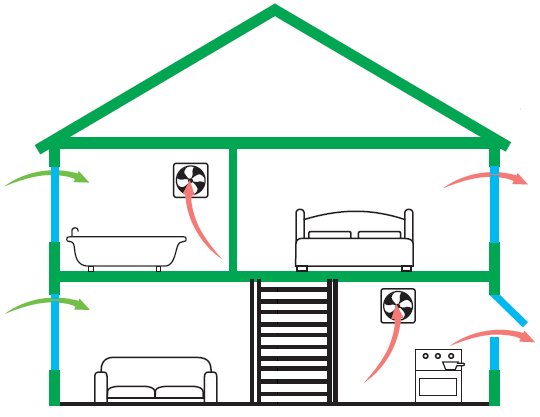
Indications of poor home air flow consist of persistent odors, enhanced moisture degrees, condensation on home windows, noticeable mold and mildew development, and a general feeling of stuffiness. These signs usually suggest that air circulation wants for preserving a healthy and balanced interior setting.
Just How Can I Enhance Air Flow in Older Houses?
To improve ventilation in older homes, one might consider installing exhaust fans, utilizing all-natural airflow with home windows, securing voids for far better air control, and including air cleansers to improve indoor air high quality efficiently.
Are DIY Ventilation Solutions Effective and Safe?
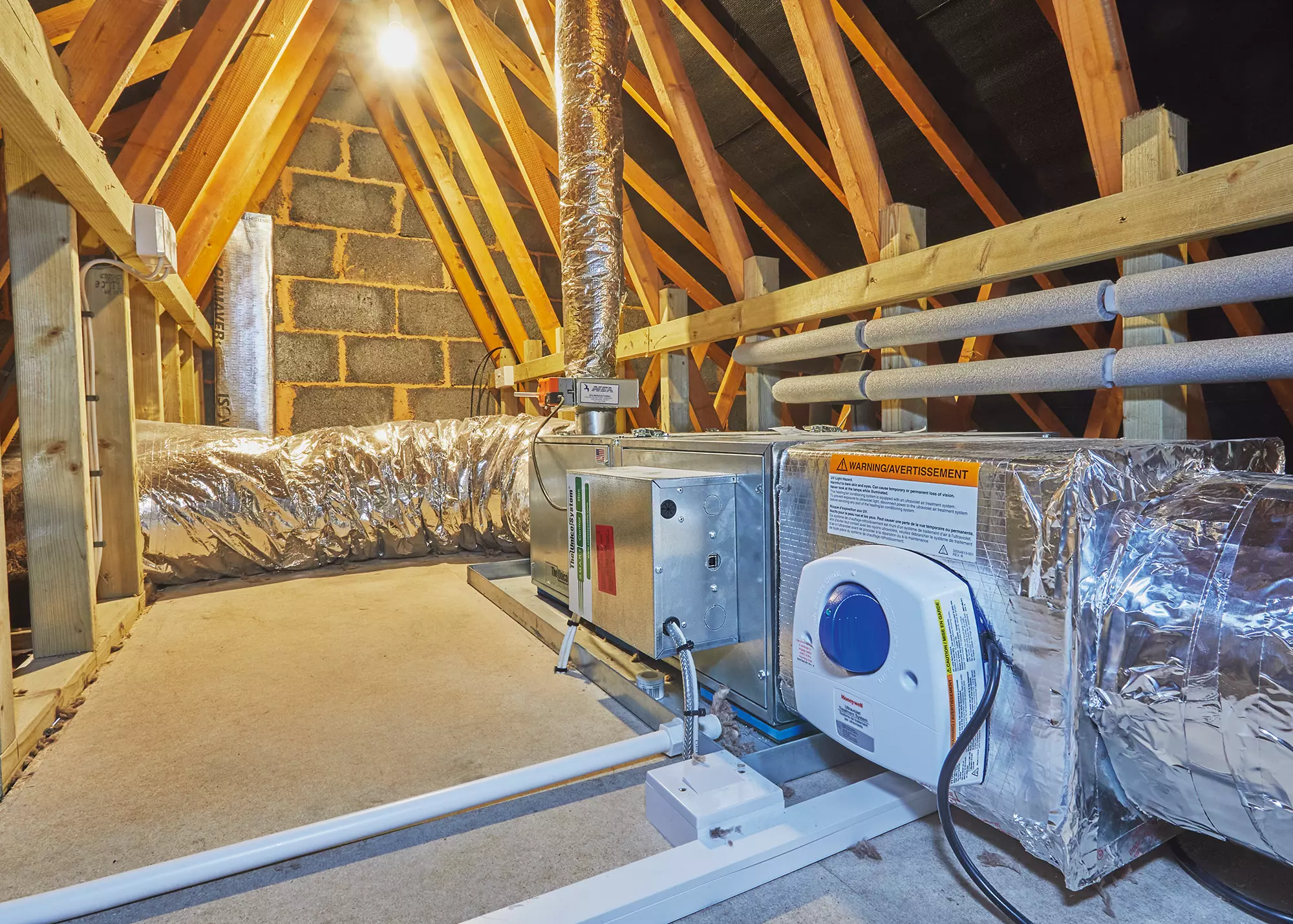
Smart air see page flow, power healing ventilators, and advanced purification are improving just how air top quality is taken care of. As power effectiveness ends up being an important focus in contemporary home design, progressed air flow systems use ingenious functions that significantly decrease energy intake. By incorporating ERVs into home ventilation systems, house owners can accomplish greater energy performance, allowing a sustainable strategy to interior air management while profiting from reduced energy bills. The assimilation of these tools into ventilation systems permits for a much more effective and receptive administration approach, lowering energy consumption while keeping optimal air quality. While several house owners seek benefit and efficiency, incorporating ventilation systems with wise home technology supplies an ingenious solution to handling interior air high quality.